

Whoa! The pace of change in crypto wallets is wild right now. Mobile wallets used to be simple key stores, then became dapps portals, and now they’re trying to be full DeFi hubs — all on your phone. My first impression was skepticism; frankly I thought mobile UX and secure private key management were at odds. Initially I thought a phone could never match desktop-level security, but then I watched a hardware-backed mobile wallet at a San Francisco meetup and changed my mind. There’s a lot to unpack, though, and some parts still bug me — the tradeoffs are real.
Here’s the thing. Users want three things: security, speed, and low fees. Short sentence. Most folks will choose convenience first, then safety. Seriously? Yes — and that’s the problem. Mobile wallets that integrate DeFi and swaps directly in-app try to solve that by keeping custody local while offering seamless cross-chain interactions. On one hand this reduces friction; on the other it introduces new attack surfaces, especially when broad protocol access is granted to the wallet app itself.
I’m biased, but I prefer wallets that keep private keys device-native and minimize external approval calls. My instinct said to distrust any solution that routes funds through centralized swap aggregators without clear slippage and routing transparency. Actually, wait — let me rephrase that: centralized routing can be okay when paired with verifiable smart contract execution, though you should still demand on-chain settlement proofs and deterministic routing logs. Some wallets now do part of that, which is encouraging.
Let me walk through the core pieces. First, key management and secure enclave usage. Second, multichain connection strategies and how wallets talk to different L1/L2 networks. Third, swap UX and the role of on-device matching versus remote aggregation. Fourth, how users (and builders) should think about bridging liquidity and slippage risk. These are the practical tradeoffs you won’t see in marketing one-pagers.
Security matters most. Short. Modern phones have hardware-backed key stores (TEE, Secure Enclave) that can significantly reduce risk, but the app layer still matters a lot. Even with secure enclaves, a compromised OS or malicious app update could pose a threat. So the best wallets combine hardware-enforced keys with transparent update mechanisms, reproducible builds, and good open-source code hygiene. That last part often gets skipped — developers rush to add features, and very very important code audits lag behind.
Okay, so check this out — multichain support is not just adding chains to a dropdown. It requires robust RPC management, graceful handling of nonce issues, and careful UX for network-specific approvals. When you swap tokens across chains, you either use an on-chain router, a cross-chain bridge, or an off-chain aggregator coordinating many routers. Each pattern has different latency, cost, and trust assumptions. Hmm… my head spins a little thinking about failed bridging transactions, but that’s the reality.
On-Device Swap Versus Aggregator-Based Swaps
Short burst. On-device swaps compute routing locally using price feeds and liquidity data, and then submit transactions directly to the target chains. Medium sentence providing context for why that matters to latency and privacy. Longer thought: when you do routing locally you keep more data on-device, which reduces reliance on third-party servers and thus privacy leakage, though obtaining fresh price data without a trustable oracle still requires careful engineering and sometimes hybrid approaches.
Aggregator-based swaps, by contrast, query liquidity pools across many venues and often execute through smart contract routers, which can optimize for price but introduce counterparty and MEV exposure. On one hand, aggregators find the best price; though actually that “best price” can be influenced by sandwich attacks and front-running, which is why some wallets now integrate MEV protection layers or private RPCs. Initially I thought private RPCs solved the MEV problem entirely, but then I realized they often just shift the source of trust to another provider. So there’s no free lunch.
From a UX standpoint, mobile users want one-tap swaps, minimal confirmations, and readable gas estimates. Developers, however, must surface the tradeoffs without overwhelming users. A good wallet will show expected slippage, estimated final receipt, and an explanation if the route involves bridging. (Oh, and by the way: show the gas cost plainly — people underestimate that all the time.)
Now, liquidity and cross-chain bridges deserve their own scrutiny. Bridges can be smart-contract-only, custodian-based, or use threshold signatures and validators. Each model trades decentralization for speed or cost. My gut feeling about trust-minimized bridges is optimistic; protocols like optimistic messaging and light-client verification are promising, though they add latency. On the flip side, custodial bridges are faster and cheaper but require trust that many users understandably don’t want to place.
There are practical mitigations. Use local verification where feasible, prefer atomic swap primitives for certain token pairs, and employ time-locks and multi-step approvals for high-value transfers. Also consider rate-limiting outgoing swap amounts in app settings — it’s a humble control, but it reduces blast-radius if keys leak. I’m not 100% sure this is perfect for all users, but it helps.
Some real-world patterns I’ve seen: wallets that let users pin “trusted” contracts, pre-approve gas budgeting, and create temporary ephemeral approvals for swaps. These reduce repeated signature fatigue and minimize continuous allowance exposure. I remember testing one wallet in NYC where these features made day-to-day use noticeably smoother, though the app required frequent RPC switching which annoyed me — small tradeoffs, but they add up.
Interoperability is another headache. Token standards differ across chains, so wallets must map assets correctly and provide canonical representations. When a wallet mints a wrapped token for cross-chain liquidity, it should clearly label that token and explain redemption paths. Users need to know which assets are native, and which are wrapped representations — otherwise confusion leads to lost funds or rushed trades at poor rates.
Okay, quick tangent — user education is underfunded in the ecosystem. Short. Most wallets try to gamify onboarding, yet skip deep warnings about bridging risks and contract approvals. This part bugs me. Wallet teams should invest in micro-education: just-in-time notes explaining what an allowance does, why slippage settings matter, and when a cross-chain route is effectively custodial.
Product-design notes, briefly: prioritize recoverability flows, include multisig or social recovery options, and make it trivial for users to revoke allowances through the UI. These are small features that drastically reduce long-term user risk. I’m biased toward wallets that let power users dig into raw transaction data, but still serve novices with safe defaults and clear explainers.
How to Choose a Mobile Wallet for DeFi and Swaps
Start with where you want to operate: which chains, which DEXes, and how often you plan to move assets. Short. Check whether the wallet keeps custody on-device and whether it supports hardware key integration. Read the update policy and audit history. Longer thought: if the wallet integrates swap functionality, make sure the routing is transparent and that you can opt for direct on-chain routes when privacy or auditable settlement matters, rather than being forced into opaque aggregator flows.
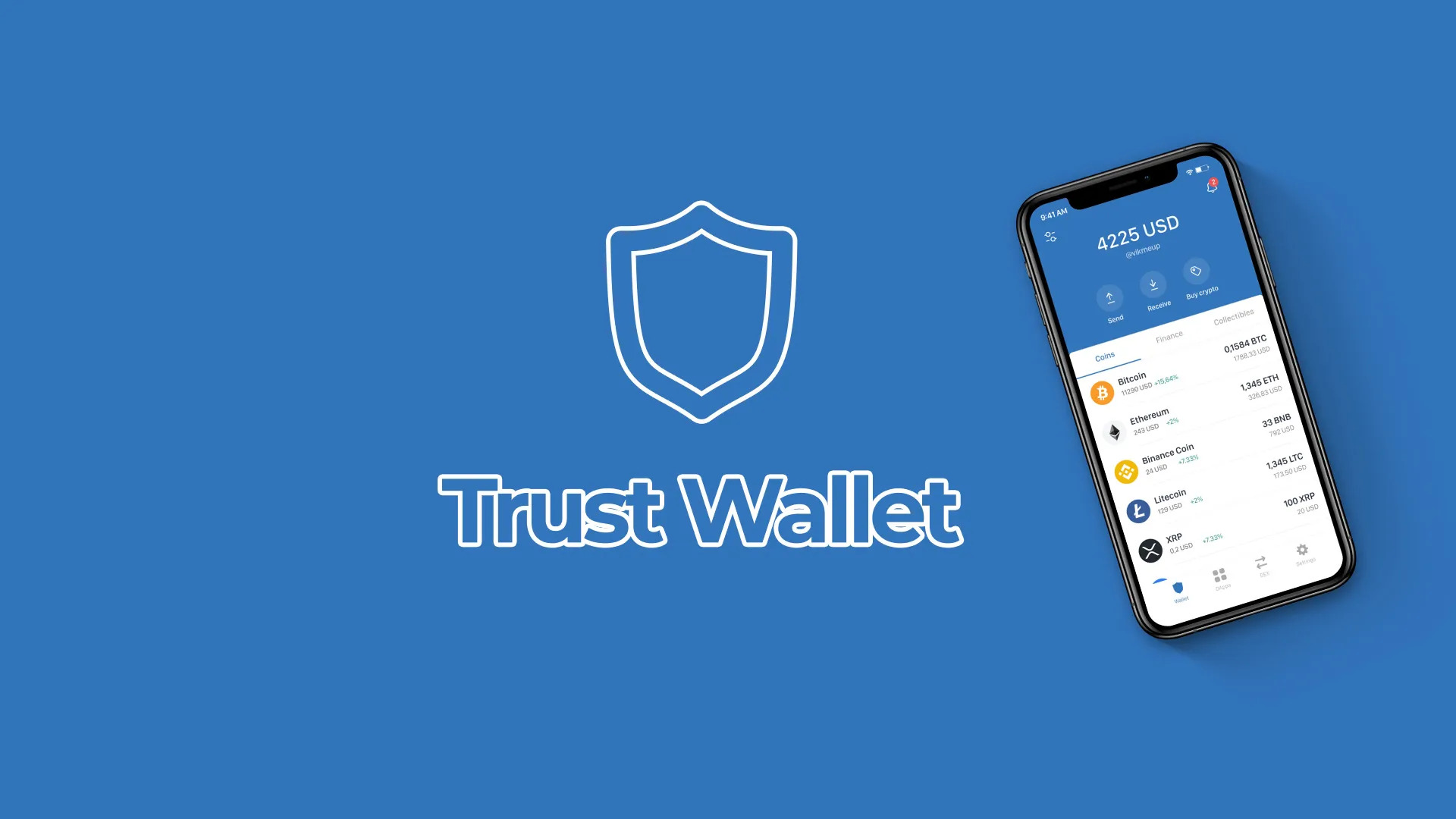
Try small transfers first. Seriously? Yes. Use testnets where possible, and set the app to a low approval default until you’re comfortable. Check the community channels for reports of failed swaps or stuck bridge messages. These social signals often reveal operational problems faster than marketing pages do. And of course, if you want a modern UX that balances multichain access with on-device control, take a look at truts wallet — I like how they surface routing choices, though I’m not affiliated and I’m still watching how they evolve.
FAQ
Is on-device swapping safer than remote aggregation?
It depends. On-device swaps reduce server-side metadata leaks and can keep your trade intent private, but they rely on trustworthy price feeds and local computation. Aggregators may offer better prices but introduce additional trust and MEV risks. Evaluate based on the wallet’s transparency, use of privacy-preserving RPCs, and whether you can inspect or reproduce routing decisions.
What should I do before using a multichain swap?
Short checklist: fund a small test amount; confirm the token is native or wrapped; check slippage and gas estimates; verify the bridge model if crossing chains; and keep records of tx hashes. Also consider using a hardware-backed key or social recovery for large balances.
To wrap up — not a clichéd recap but a final note — the future is more integrated, and mobile wallets will keep getting smarter and more capable. My instinct says the winners will be those that respect device custody, make routing transparent, and bake in simple recovery and allowance controls. Somethin’ about that balance feels right to me. Maybe it’s the Bay Area optimist in me, or maybe it’s just pragmatic product sense, though there’s still a long road ahead with security engineering and UX tradeoffs to solve…